


Pandemic Unemployment Assistance (PUA) extended unemployment benefits to workers who did not qualify under the regular state rules. This guide covers what the program was, who qualified, and how it worked.
What Is PUA?
Pandemic unemployment insurance is a program that provides temporary benefits to workers who lost their jobs due to COVID-19-related reasons. This program includes small business–owners, self-employed people, independent contractors, and gig workers. According to the Employment Development Department (EDD), participants may receive up to 86 weeks of benefits, but the EDD will make the final decision.
Who Qualifies for PUA?
PUA is available to workers who don’t qualify for regular unemployment benefits and who were out of business (or had to significantly reduce their services) as a result of the COVID-19 pandemic. The following workers qualify for PUA:
- Business-owners
- Independent contractors
- Self-employed workers
- People with limited work histories
- People who used up their unemployment insurance (UI) benefits as well as any extended benefits
- People who were serving false statement penalty weeks on their regular UI claims
How Do You File a Claim in California?
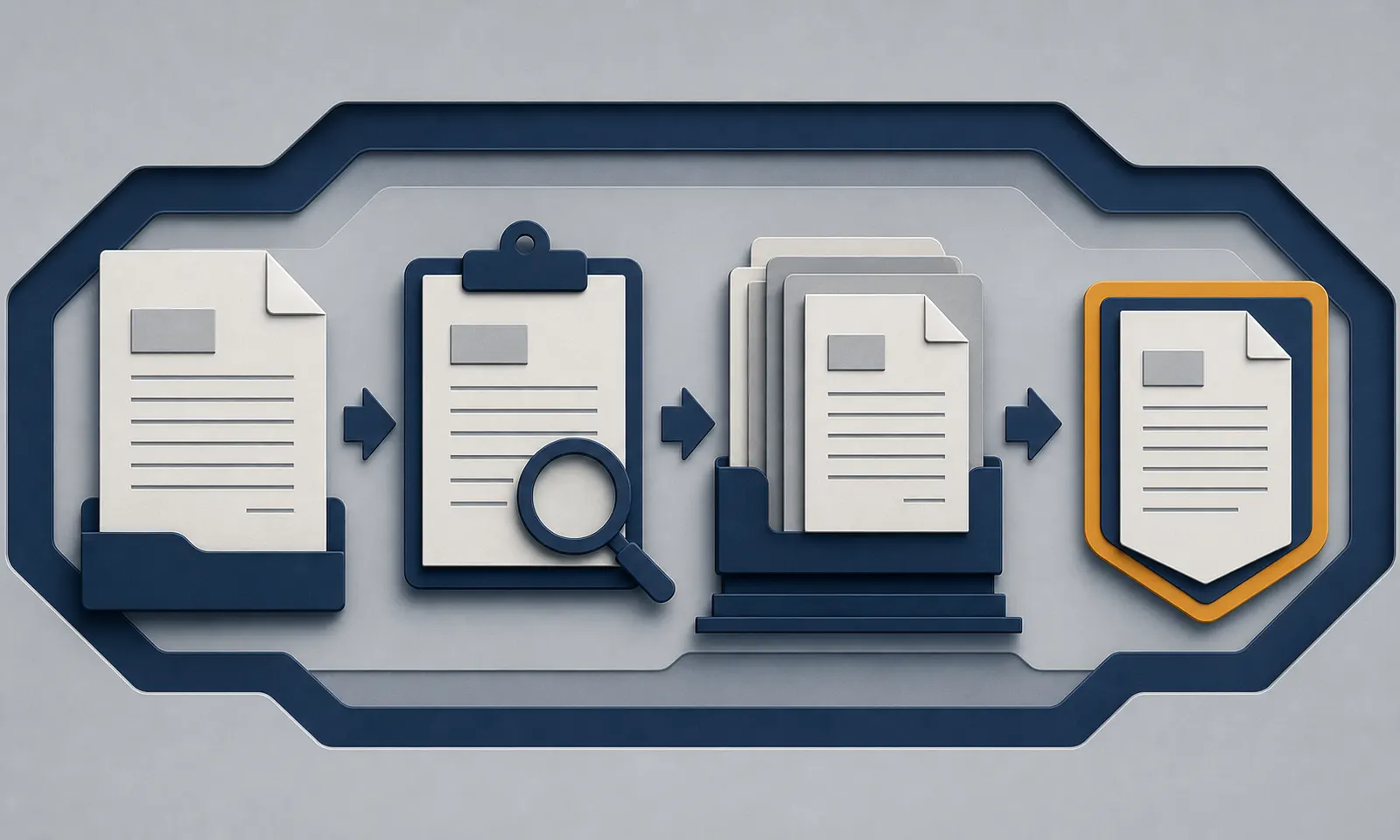
Another thing to know about pandemic unemployment insurance is how to file a claim. Federal rules require workers to provide documentation that proves they were employed during the calendar year before and up to the start of their PUA claims. They must submit at least one form of documentation to the EDD, and it must be complete with accurate information. Here are some examples of documentation:
- Self-employment documentation: State or federal employer identification number, business license, tax returns, and business receipts
- Employment documentation: Paycheck stubs, earnings and leave statements, and W-2 forms
- Documentation that you planned to begin self-employment: Business license, written business plan, and lease agreement
- Documentation that you planned to begin employment: Letter offering employment and signed statement from employer verifying an offer of employment
What To Do if Your PUA Claim Is Denied
If the EDD denies a PUA claim, a worker can file an appeal by completing a PUA reassessment. However, a common reason that workers don’t receive benefits is due to refusing work. After a worker completes the reassessment, the EDD will make the final decision about benefits.
PUA was a temporary federal program and it ended in September 2021, so it is no longer available for new claims. Overpayments assessed under it are still being collected, and our note on PUA overpayments covers that. If you have received a notice relating to a pandemic-era claim, our benefit overpayment appeal team can review it.