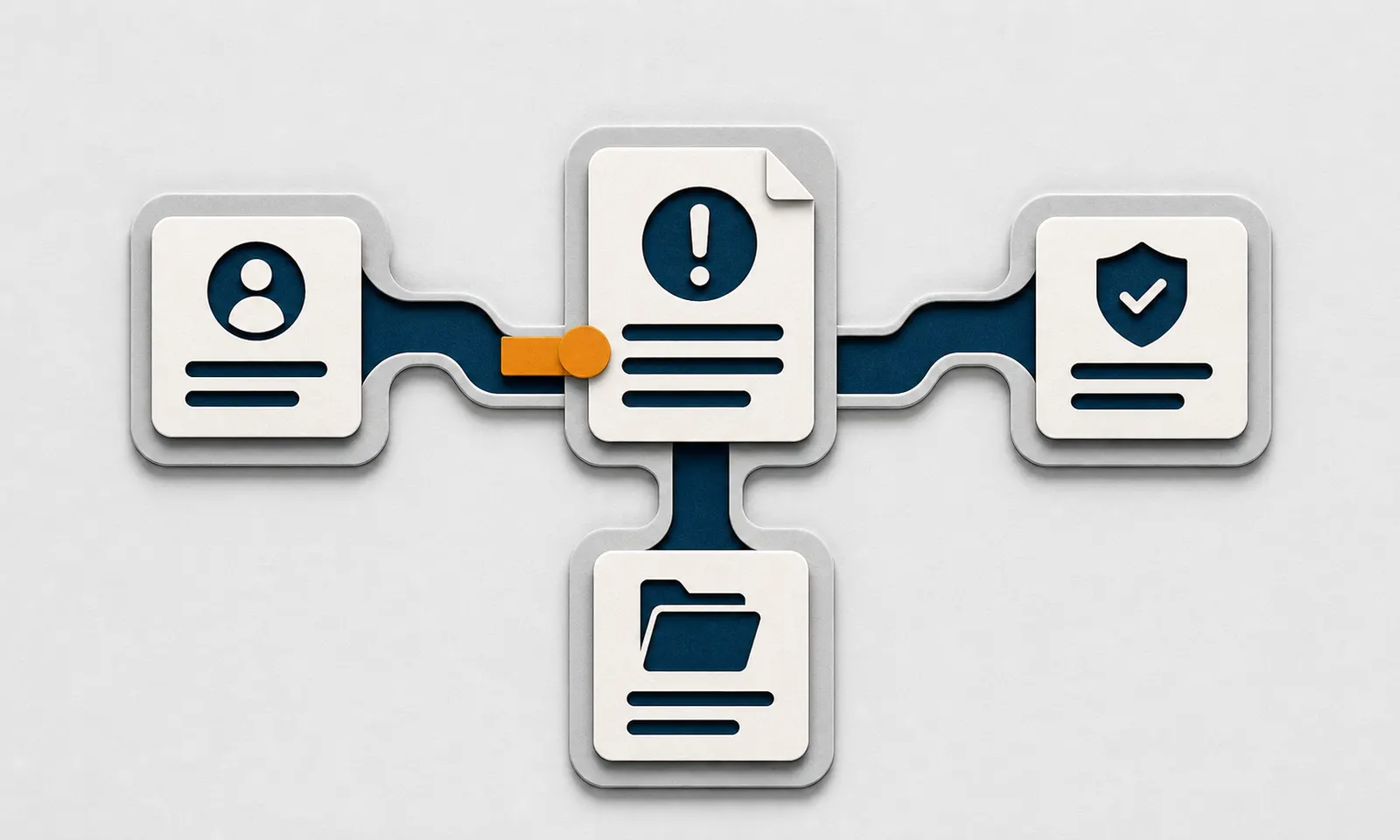


An EDD overpayment can affect the amount you owe and the benefits or other payments available to you. The consequences depend on the determination, whether a fraud penalty applies and the collection method used. If you disagree with a notice, an attorney can review the determination with you.
Links marked with the external-link symbol open in a new tab.
What Is an Overpayment?
An overpayment occurs when EDD determines that you received benefits you were not eligible for. Its Unemployment Insurance (UI) overpayment guidance identifies incorrect wage reporting and later findings of ineligibility as reasons an overpayment can arise. Compare the affected weeks with your certifications, wage statements and payment history.
How EDD Classifies Overpayments
A non-fraud finding does not mean that EDD alone caused the error. The distinction concerns whether information was intentionally misstated or knowingly withheld.
Non-Fraud Overpayment
A non-fraud overpayment does not carry the fraud penalty, but repayment may still be required. If EDD sends a Personal Financial Statement (DE 1446), complete and return it for consideration under the waiver process. A waiver is not automatic.
Fraud Overpayment
For a UI fraud overpayment, EDD states that a 30% penalty applies in addition to repayment and that future benefits may be disqualified for up to 23 weeks. If you disagree with the findings, check the appeal instructions.
Ways EDD Collects an Overpayment
EDD describes several collection routes in its benefit-overpayment collection FAQ. They have different requirements and affect different money or property.
Benefit Offsets
EDD may deduct money from future UI, Disability Insurance (DI), or Paid Family Leave (PFL) benefits. It describes offsets of 25% of weekly benefits for non-fraud overpayments and 100% for fraud overpayments. The additional 30% penalty cannot be paid through that offset and must be repaid separately.
Refund and Other Payment Intercepts
EDD may apply state or federal tax refunds, lottery winnings or unclaimed property toward the debt. Keep the offset notice and compare the amount with your balance.
Wage Withholding
After summary judgment, EDD may issue an earnings withholding order to your employer. Its FAQ describes withholding of up to 20% of wages. The actual calculation and any applicable exemptions require review of the order.
Bank Levies and Judgment Liens
EDD lists bank levies and recording an abstract of judgment against property among its legal collection actions. A judgment lien secures the debt against property. Our guide to EDD overpayment collection explains the records to check for each method.
Review Your Response Options
EDD’s overpayment notice instructions explain how to respond, appeal and use the waiver documents it provides. Read your notice’s deadline and instructions; a repayment arrangement is separate from challenging the determination.
Help Reviewing the Effects on Your Claim
Checking an overpayment means tracing the affected weeks, the classification and any deductions already made. An attorney can work through that evidence with you and identify the findings that need to be addressed.
At Pershing Square Law Firm, we work with California claimants on EDD determinations and appeals. If you would like help assessing your notice, our benefit overpayment appeal team would be glad to assist.